On 11 September 2001 every civilian aircraft in the United States was grounded. When the skies reopened, passengers did not come back at once. The big airlines responded the way crisis management textbooks teach: cut flights, cut unprofitable routes, cut people. Tens of thousands of US aviation jobs disappeared within months.
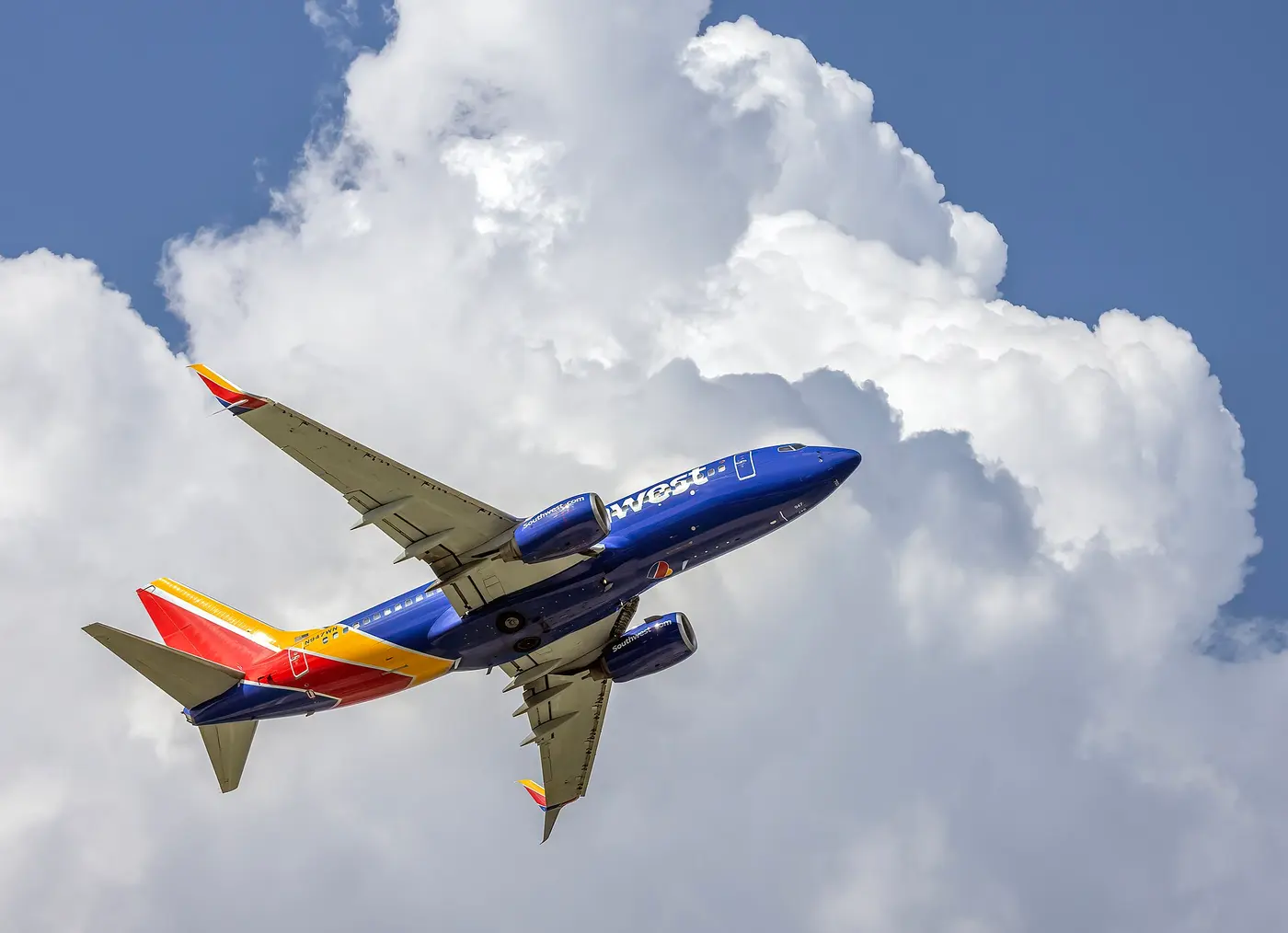
Southwest Airlines laid off nobody.
It kept its network, kept its people, and absorbed the short-term loss. Its chief executive at the time, Jim Parker, said the company was willing to accept damage, including damage to its share price, in order to protect its employees' jobs. The three most senior leaders worked without pay for the rest of the year.
At the end of that year Southwest still reported a profit, its 29th consecutive one. And it still paid out profit sharing: according to Aviation Week, the payment for 2001 was about 214.6 million dollars to 33,000 employees, nearly as much as the 235 million dollars the airline received under the government's bailout2.
The policy pre-dated the crisis, and the reasoning was blunt
This was not an improvised decision. Herb Kelleher, who ran Southwest from 1981 to June 2001 and then served as chairman, had said earlier that nothing kills a company's culture like layoffs1.
His argument was economic rather than sentimental. A low-cost airline lives on turnaround time: the minutes between landing and taking off again. That speed depends on people who have worked together for years, know each other's jobs, and will do work outside their own description. Laying them off and rehiring when the market recovers destroys exactly that, and it takes years to rebuild.
Southwest is also known for how it hires: attitude before experience or credentials, on the view that technical skill can be taught and attitude cannot.
Then the record ended
The run of 47 consecutive profitable years lasted from 1973 to 2019 and was ended by the pandemic3. The no-layoff record held for a few years longer.
In February 2025 Southwest announced about 1,750 job cuts, its first mass layoff since it began flying in 1971. The cuts fell on corporate roles, roughly 15 percent of that workforce, and did not touch pilots or flight attendants4.
A policy that held for 54 years can still end. That does not make those 54 years meaningless, but it is a reminder that no people policy defends itself forever when the business model shifts.
What HR can take from it
The lesson is not that layoffs should be forbidden. Many companies do not have that option, and a promise that cannot be kept is worse than no promise.
The lesson is the calculation Southwest did before the crisis: it knew where its core capability sat, knew how long that capability takes to rebuild, and had the financial room to absorb a shock without touching it. When the event came, it did not have to decide under pressure.
Most companies do the opposite: cut an equal percentage from every department, fast and superficially fair, and lose precisely the people who keep the system running, then pay to hire them back two years later.
The sum few companies do in advance
When you cut, the saving appears on next month's payroll. The costs arrive later and scattered, so they rarely get added up in one place: severance, the productivity dip while teams are reshuffled, the cost of hiring again when the market recovers, the months before newcomers are productive, and hardest of all to price, the process knowledge that lived only in the heads of the people who left.
In an airline that last part is aircraft turnaround time. In a factory it is knowing which machine jams at which step. In a services firm it is remembering why the largest client was angry last year.
Vietnam ran an unintended large-scale experiment in this. After the 2021 wave, when workers left the southern industrial provinces in large numbers, every employer trying to restart a line discovered that hiring the headcount back was quick, while rebuilding a team that knows the work took far longer.