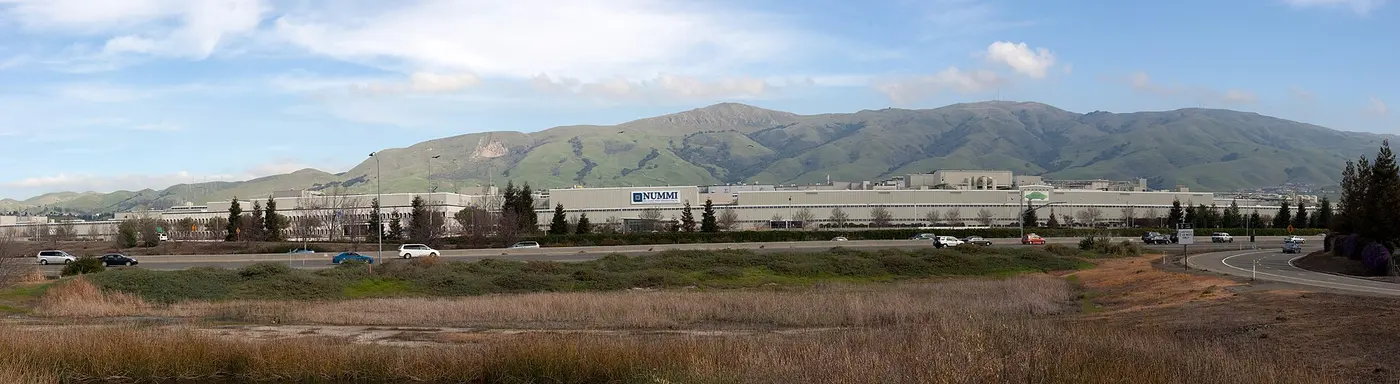
In 1982 General Motors closed its assembly plant in Fremont, California, and laid off thousands of people. The machinery was not the problem. Workers drank on shift and smoked marijuana, and on many mornings too few turned up to start the line. Some committed petty sabotage. The line almost never stopped, so defective cars simply moved on down and were fixed at the end. A union leader described it as the worst workforce in the American car industry3.
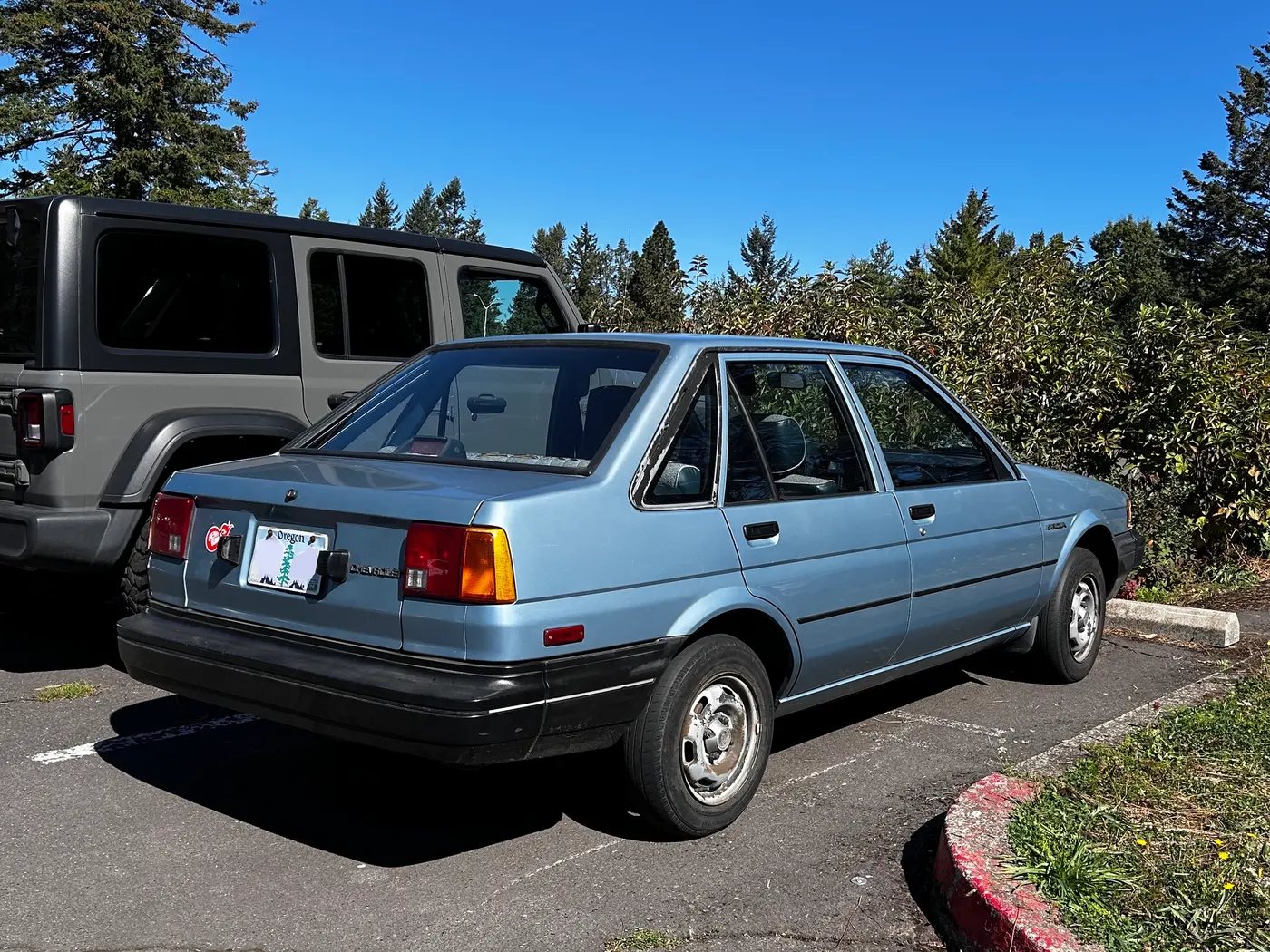
Two years later Toyota and GM formed a joint venture, New United Motor Manufacturing, Inc., and reopened the same building. More than 85% of the start-up workforce were people GM had laid off in 1982. The men who had led the strikes were still on the floor. In December 1984 the first Chevrolet Nova came off the line. Within a year the plant's quality went from the worst in the GM system to the best in the GM system1.
The wrong answer everyone guesses
Tell this story in a management class and the first guess is always the same: Toyota must have screened people, kept the good ones, got rid of the troublemakers.
John Shook, whom Toyota hired in late 1983 and who worked on the venture from the Toyota side, says plainly that this did not happen. The old troublemakers were still there. They just were not troublemakers any more1.
What changed was not the people. It was everything arranged around them. And the detail that matters most for an HR audience: every manager at NUMMI was new, while the workforce was not.
Three concrete changes, none of them a slogan
They sent people to learn, properly. Before reopening, Toyota took workers to its Takaoka plant in Japan to study the production system and spend days on a live line. Supervisors and hourly team leaders trained there for two weeks or more. In the first couple of years roughly 600 NUMMI supervisors made the trip, supported by about 400 three-month tours by Toyota trainers in Fremont1.
This was not a half-day induction. It was capital spent on the capability of people their previous employer had written off.
They changed what stopping the line meant. At the old GM plant, stopping the line was an offence. Toyota told GM it intended to give workers the obligation to stop whenever they found a problem. A team leader had to respond inside one job cycle, about a minute. The line only halted at a fixed position, after the team leader decided it should.
Shook describes a Big Three plant he watched, where a worker who made a mistake had no cord to pull and no team leader nearby, only a red button about thirty paces away that would stop everything. Nobody pressed it. The defective car moved on.
They did the unglamorous work of defining the job. Clear steps, real training, and tools good enough to do the work well, combined with one demand that was never traded away: quality gets built in at the station, not repaired at the end. NUMMI also ran a no-layoff policy.
Shook's line, and why it is uncomfortable
Most culture programmes companies buy run in one order: first make people believe, then they will act. Inspiring offsites, values on the wall, a signed commitment poster.
NUMMI pointed Shook the other way, and he wrote it in MIT Sloan Management Review in 20102:
It's easier to act your way to a new way of thinking than to think your way to a new way of acting.
Shook was an insider working for Toyota, so his account carries Toyota's view of events. The underlying facts hold up anyway: same people, same building, same union, different system, different result.
The part the lectures leave out
NUMMI was not a fairy tale. In 1988 the plant ran at 58.6% of capacity. By 1991 it had still not broken even3. Good culture does not erase a market problem or a cost problem.
And it ended. GM withdrew from the venture after its 2009 Chapter 11 bankruptcy. In August 2009 Toyota announced it would stop production, the first plant closure in the company's history. In March 2010 some 90% of workers approved a $281 million severance package. The last car, a red Corolla, was built on 1 April 20103.
A good system kept the people. It could not keep the plant once the economics stopped working. Those are two different questions, and merging them is the fastest way to promise employees more than you can deliver.
Reading this onto a Vietnamese production line
The complaint heard in factories across the southern provinces sounds a lot like Fremont in 1982: high absenteeism, high defect rates, a production manager saying this generation will not work.
NUMMI suggests a different test. Before concluding anything about the people, go and find three things. First, when an operator spots a defect, what do they do — is there a route that takes under a minute, or do they wait until end of shift? Second, how many hours of training did their team leader get before taking the team, and on what? Third, what happened the last time somebody stopped work to flag a problem — were they thanked, or asked why output was down?
If all three answers point the wrong way, the problem is in the system, not in the intake.
One detail that is easy to skip
Every manager at NUMMI was new. That should make an HR audience pause. If results change when you keep the workers and replace the management layer, then much of what gets filed as "employee attitude" is the shadow of how people are managed.
This is not an argument for firing managers. It is an argument for measuring the observable behaviour of the direct supervisor, rather than asking employees how engaged they feel.